Collaborations
Collaboration was a big part of AnTigone. We worked with other iGEM teams at meet-ups and on our podcast, interviewing 18 teams from all over the world. We learned from industry experts and partnered with student organizations, a café, and the Malmö library.
The Sequence podcast
World Wide Wednesday
Podcast format by iGEM Lund 2026 – The Sequence
Let's Talk Science!
The Sequence is a podcast created by iGEM Lund 2026 to connect with iGEM teams from around the world. Through our World Wide Wednesday series, we invite different teams from all over the world to share their projects, experiences, challenges, and journeys in iGEM.
Beyond scientific discussions, we aim to bring the global iGEM community closer together, exchange ideas, and highlight the people and stories behind the science!
iGEM Collaborations
DTU BioBrick Workshop
17 to 19 April 2026 Technical University of Denmark (DTU)
Together with iGEM teams from Aarhus, Oslo, Stockholm, Copenhagen, SDUUniversity of Southern Denmark, BKEABagsværd Kostskole in Copenhagen., and DTU, we exchanged project ideas and experiences through team pitches and discussions, from hands-on cloning and molecular dockingA computer simulation that predicts how well a molecule fits into a protein's binding site. to Human PracticesThe part of iGEM about developing a project responsibly, in dialogue with the people it could affect. and wiki development. We also met experts and iGEM AmbassadorsVolunteers from the iGEM community who advise teams., who advised us on how to build a wiki and how to do Human Practices.
And of course, we brought our iGEM Lund 2026 podcast, The Sequence, to DTU! We recorded an in-person episode with iGEM Oslo and SDU, along with a DTU Special featuring DTU BioBuilders!
Wet Lab & Dry Lab Workshops
The workshop gave us the opportunity to strengthen both our experimental and computational skills. In the wet lab, we practiced molecular cloningCopying a piece of DNA and inserting it into a plasmid so it can be produced in bacteria., including DNA assemblyJoining DNA pieces together in a planned order., bacterial transformationGetting bacteria to take up new DNA., and platingSpreading bacteria on an agar plate so that single colonies grow.. Meanwhile, the dry lab introduced us to protein sequence analysis and molecular docking, where we used tools such as BLASTA tool that compares a sequence against databases of known sequences. and protein structure databases to identify proteins and explore their interactions with potential substratesThe molecules an enzyme acts on and converts..
Both sessions provided valuable skills that supported our own experimental work, protein modeling, and enzyme optimization.
Human Practices & Wiki Development
Beyond technical skills, we learned how to make our project more responsible and accessible. The Human Practices workshop introduced us to stakeholder analysisMapping the people and groups affected by a project and what each of them needs from it., which we later applied to refine our project goals and safety considerations. The wiki workshops covered page structure, visual design and collaboration in GitLabA platform for storing code and website files, which iGEM uses to host team wikis., which we used to build this wiki.
Bringing The Sequence to DTU!
One of the highlights of the meet-up was to record The Sequence in person! We welcomed iGEM Oslo and SDU for a joint episode and recorded a DTU Special with DTU BioBuilders. Through these conversations, we shared our projects, exchanged experiences, and brought the spirit of collaboration beyond the workshop.
Big Thanks to DTU BioBuilders and all the participating teams for making this such a memorable experience!
14 to 16 July 2026 Málaga
Warmly welcomed by iGEM UMA, we spent three exciting days with iGEM Leiden, KU Leuven, Bielefeld, and Madrid, exchanging ideas, learning from experts, and building connections with the wider iGEM community.
Through discussions with experts, iGEM Ambassadors, and the Mini JamboreeA regional meet-up where teams present their projects ahead of the Grand Jamboree., we received valuable feedback, particularly on our biosafety strategies.
We were also incredibly excited to receive the Best Overall Project Award 🏆 at the Mini Jamboree!
Learning from Experts
Throughout the meet-up, we gained insights into synthetic biology, AI, bioethics, and inclusive research. We also received valuable advice from an iGEM Ambassador on medal criteriaThe requirements a team has to meet to earn a bronze, silver or gold medal., wiki preparation, Human Practices, and Grand JamboreeThe iGEM competition's final event, where all teams present their projects and are judged. judging.
Mini Jamboree
At the Mini Jamboree, we participated in a presentation and poster competition (both shown below), sharing our project and receiving feedback from judges. They raised important questions about enzyme specificityHow selectively an enzyme acts on one molecule rather than on similar ones., testosterone regulation, and biosafety, encouraging us to consider AND-gateA genetic circuit that switches on only when both inputs are present. circuits, feedback loopsCircuits where the output regulates its own production., and auxotrophy-based containmentMaking the bacterium depend on a nutrient that is only supplied in the intended place, so it cannot survive elsewhere..
Based on their feedback, we placed greater emphasis on biosafety, exploring AND-gate systems, quorum-sensing-based containmentUsing the bacteria's cell-density signalling to limit how many cells can build up., and auxotrophy to improve the safety of our engineered probioticLive microorganisms that give a health benefit when swallowed.. More details can be found on our Biosafety page.
Collaborations Beyond the Meetup
Of course, we (again) brought The Sequence along! 🎙️
We recorded an in-person episode with iGEM Leiden, exchanging project ideas and experiences. Check out the episode here.
We also collaborated with iGEM ETH Zurich on their YouTube series, Proof It's Not Always Hard, contributing a vlog of our Málaga adventure to showcase the friendships and cultural experiences that make iGEM special.
Beyond the competition, we relaxed at the beach together and visited the local Victoria brewery, creating more opportunities to connect with other teams. A huge Thank You to iGEM UMA and everyone we met for making these three days so memorable!
Ampliqon Site Visit
25 August 2026 Ampliqon, Odense
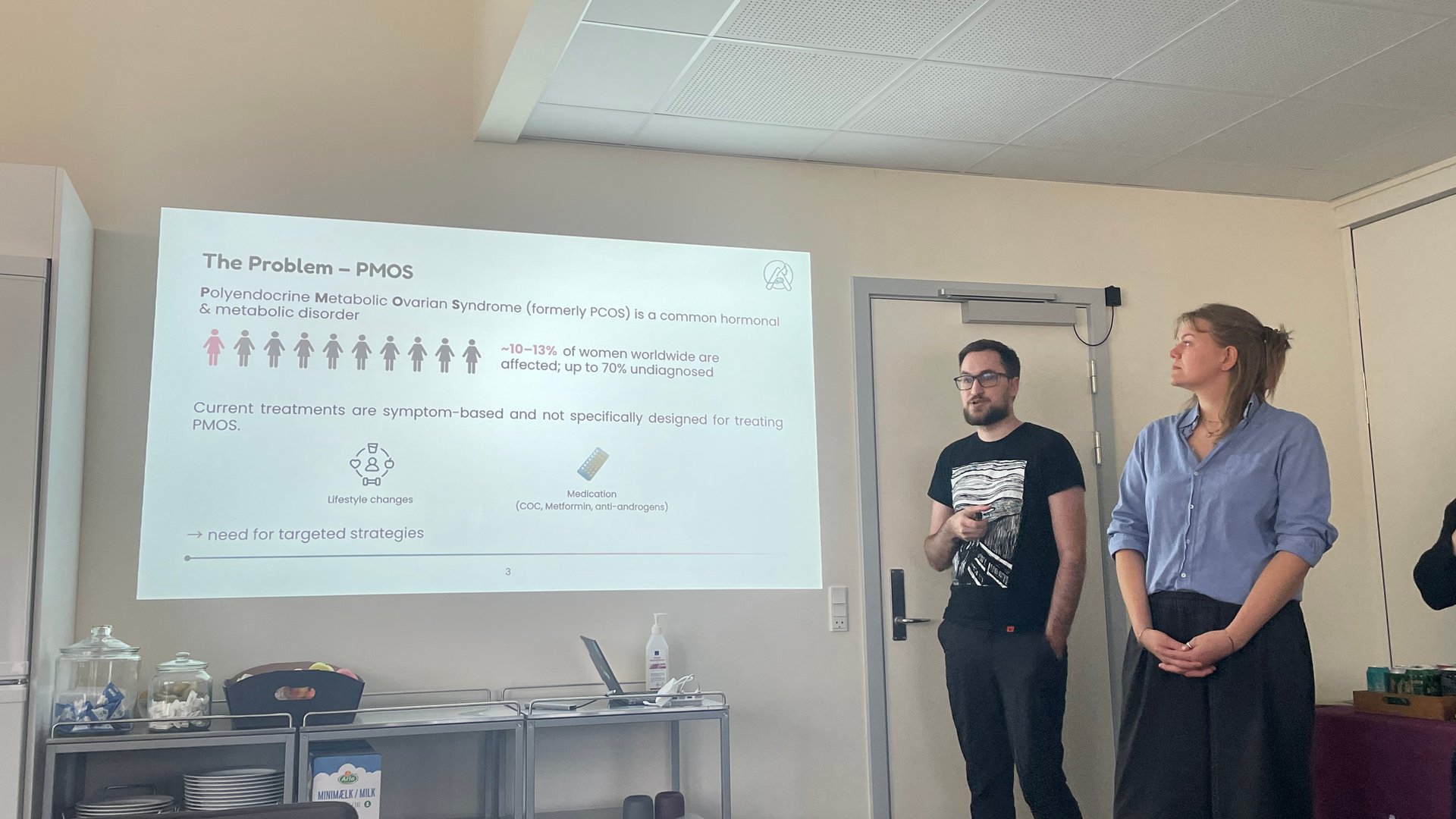
Ampliqon, one of our sponsors, invited us to their facility in Odense together with the iGEM teams from DTU and SDU. Each team presented its project, and we received a tour of the facility and an introduction to their newest R&D projects.
Every team presented its project, and questions and feedback were shared openly. It was a chance to present AnTigone to people working in industry.
Afterwards we explored OdenseCity in Funen, Denmark. with the other teams, got dinner together and spent some time sharing experiences about iGEM.
We were asked two essential questions:
- How do we know that testosterone is not reduced too much?
- How much testosterone can actually be reduced, and how much gets recirculated?
For the first question, our biosafety work gives a partial answer in design: we propose combining the hypoxia-responsive gut gateA switch that turns the enzyme on only when oxygen is low, as in the gut. with a testosterone-responsive transcription factorA protein that binds DNA to switch a gene on or off. (TeiRA transcription factor, originally found in the bacterium Comamonas testosteroni, that switches on genes in response to steroids such as testosterone.), so that the enzyme is only produced when testosterone is above a threshold, and expression is expected to decrease as testosterone falls. For details, see our biosafety page. This is a proposed design and is untested. For the second question, we have no data; it can only be answered by experiments and, much later, by clinical studies.
iGEM UNITED
17 September 2026, online
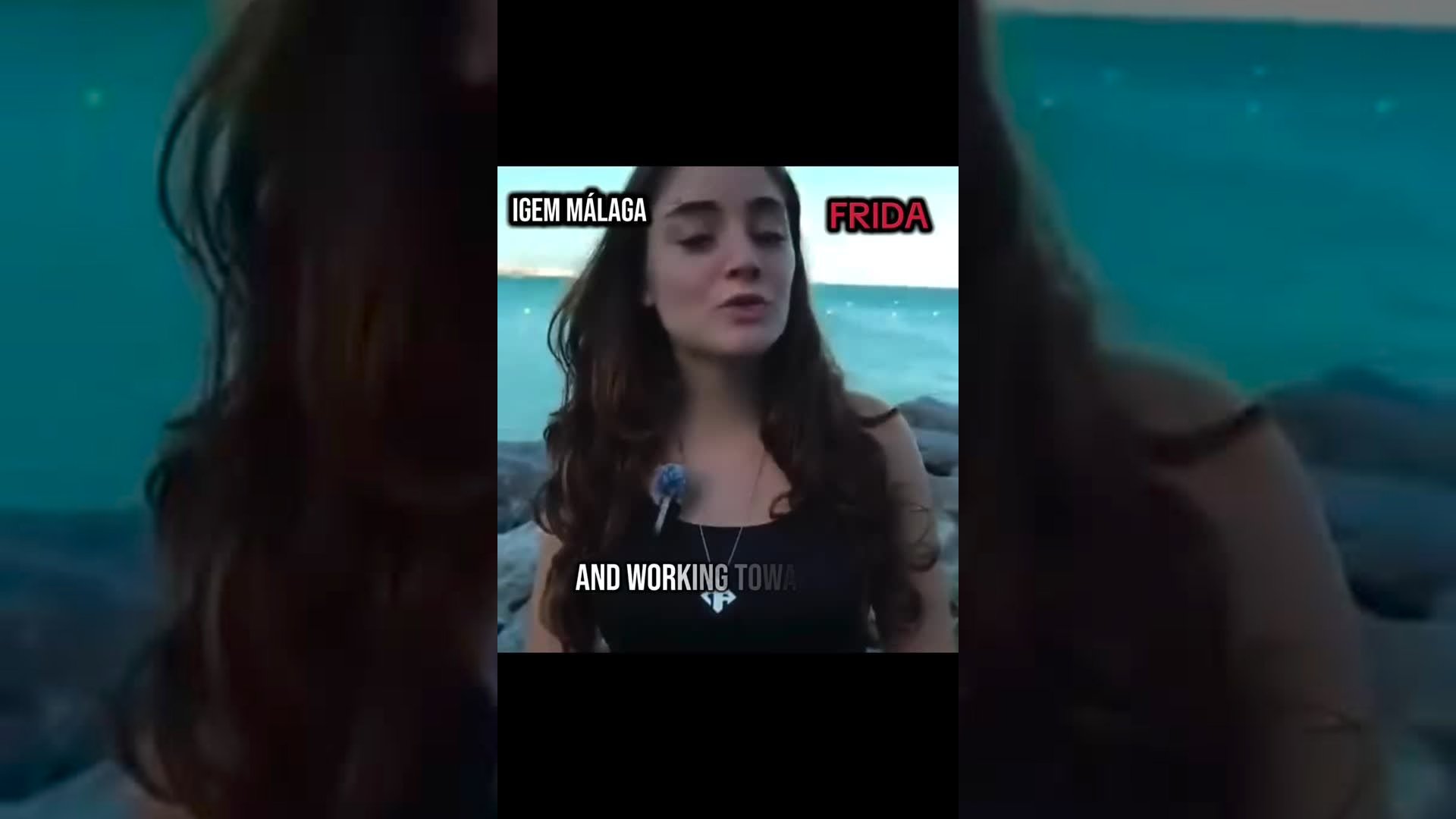
iGEM UNITED is a short video in which six iGEM teams each say a few sentences about teamwork, unity and iGEM. The idea, script and editing came from iGEM KU Leuven (EMPOWER), and we thank them for organizing it. The other teams involved are iGEM UMA Málaga (Frida), iGEM Leiden (VESSL), iGEM VUB Brussels (VUBzzz) and iGEM TU-Eindhoven (RESTART). We took part with our project AnTigone.
The video was first shared on Instagram as a collab post, so it appeared on the accounts of all participating teams and reached our shared communities.
Other Collaboration Partners
1 September 2026, Lund
Too Motch café partnered with us for our PMOS awareness run, welcoming participants for coffee and conversation afterwards in their courtyard. You can see the details here.
9 September 2026, Lund
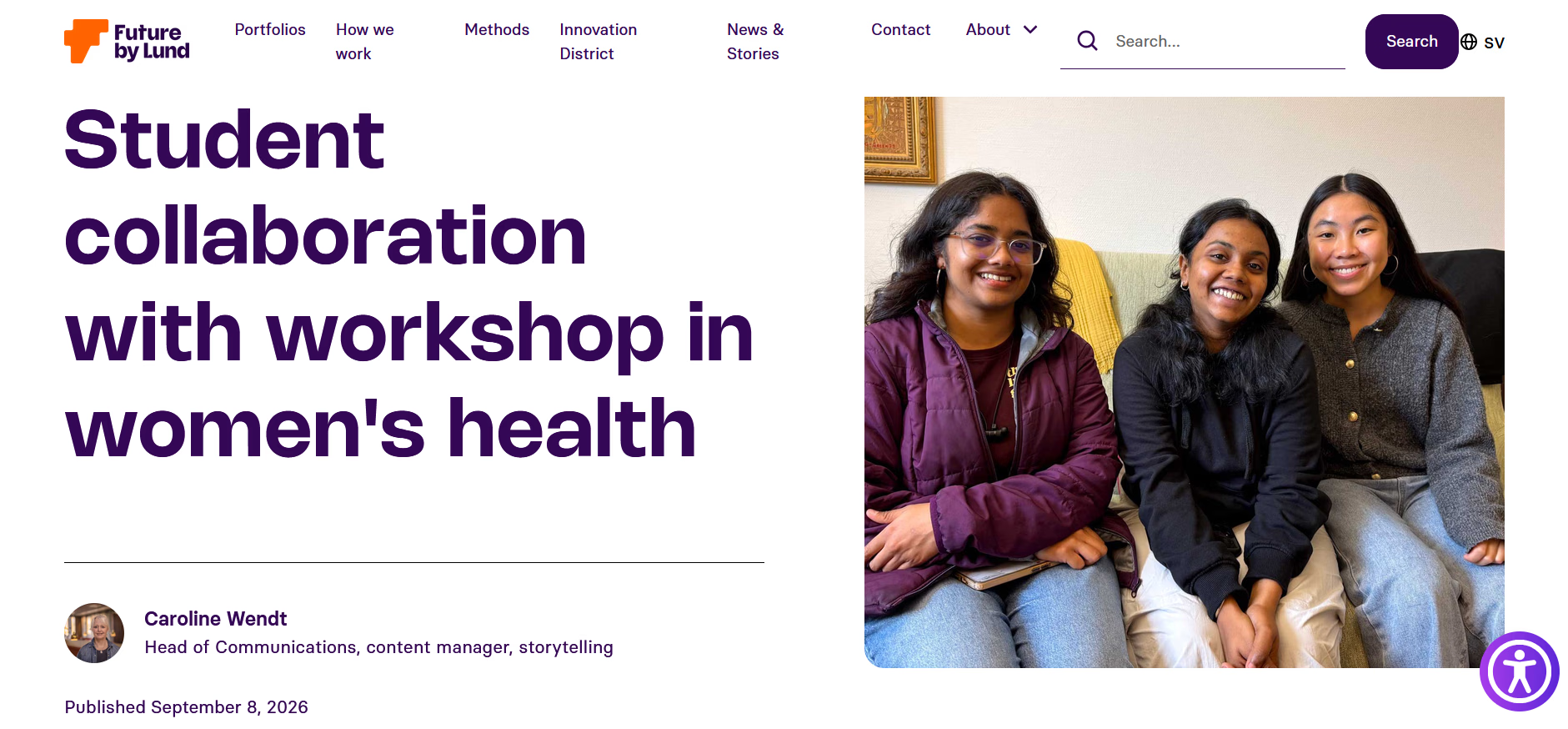
Together with Future by Lund we ran an interactive PMOS awareness workshop where 23 students solved anonymized patient casesPatient records with all identifying details removed.. Additionally, an article was published. You can see the details here.
K-Guild and Studiemästeriet
17 September 2026, Kemicentrum, Lund
We co-hosted a study night with Studiemästeriet, K-GuildK-Guild is the guild of chemical engineering and biotechnology and is part of the student union at LTH. Studiemästeriet is the study committee of K-Guild.’s study night sub-committee (LTH, Lund University), with a PMOS-friendly menu that we cooked together, and a talk on iGEM and PMOS for about 70 students. You can see the details here.
18 September 2026, Malmö City Library, Malmö
The Malmö City Library's team helped us place 18 copies of our coloring book in the children's crafting area, and gave feedback on our design and effort. See the details here.
27 September 2026, Smålands Nation, Lund
Smålands NationOne of the student nations at Lund University. hosted our PMOS awareness yoga session, which opened the topic to 30 students from Lund's local community. See here for details.
18 October 2026, online
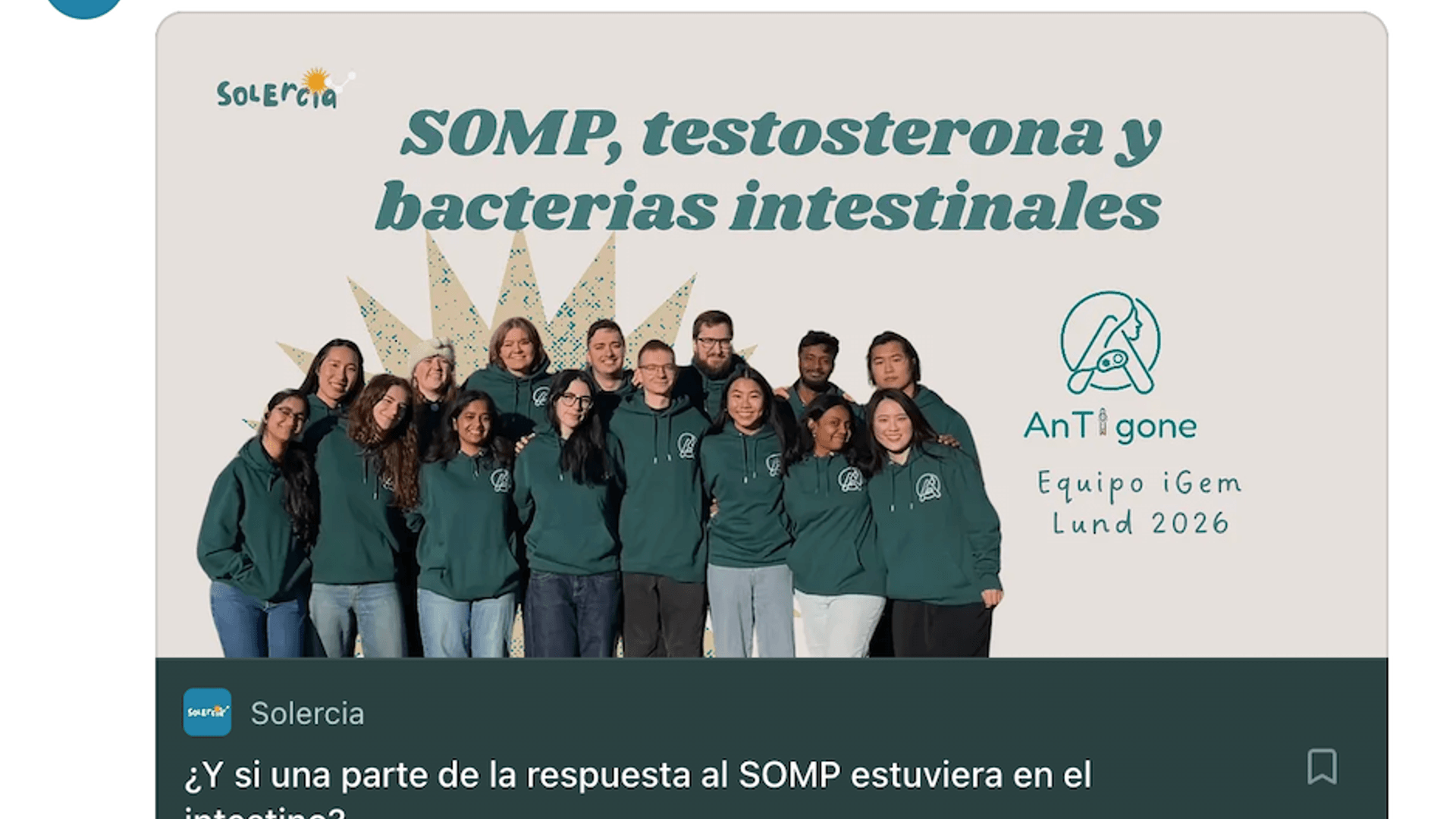
Solercia is a Spanish-language Substack blog about women's health. Its authors Ana Paula and Silvia Muñoz interviewed our team members Eleonora Vecchio and Cecilia Siemens about iGEM, our project and PMOS, and published the interview as an article for a general audience. Silvia was a member of last year's iGEM Lund team.
Solercia wrote the blog article and simplified our project for a general audience.
Read the article: