Human Practices
While talking with different stakeholders during our project, they often asked us: "What are Human Practices?" Initially, we answered that human practices are interviewing experts on certain topics, and getting their feedback. But as time passed, and many times we had answered this question, we realized that this is not what the true meaning of human practices is. We realized that it is not bombarding academics with questions and awaiting their replies, or asking companies if they would be interested in selling our product, or asking clinicians about how they conduct their clinical practice. It is about listening, about carefully reading between the lines, about looking at the bigger picture. We learned that every person has their unique perspective and story to tell, and it is on us to share it.
Every talk we had was different, with different topics discussed, different opinions, and different questions arising. Each talk was individually assessed, to see how we can implement it into our project, how we can give it a voice, and how we can contribute to bridging the gaps mentioned. Even though every talk was different, most of them agreed on one thing: there is not enough research on PMOS.
I love when you do research on PMOS because honestly, there really isn't enough.
After many talks, we became increasingly aware of how big the gap can be. It shocked us. Diagnostic delay, lack of proper medication and lack of awareness, just to name a few. They can all be addressed by doing more research on PMOS, because currently, there is no known cause for this syndrome, nor a proper way to treat it. We wanted to bridge that gap, at least a little, because 10–13% of women suffer from this condition (World Health Organization, 2026). That is why we dedicated our project to PMOS, to raise awareness about it. There can never be enough awareness.
Our conversations fell into three groups, which we treat as the pillars of our human practices work:
Stakeholders
For a project to move beyond a proof-of-conceptA first test showing that an idea can work, before it is developed into something usable., it has to consider, and be considered by, people outside of the laboratory. A therapeutic can reach a patient only if it can be developed, manufactured, classified, prescribed, afforded and trusted. Each of those steps belongs to a different group of people with its own priorities and reasons to say no to it. Throughout the project, we have tried to reach most of these groups, and treat them as participants in the design by implementing their feedback, rather than treating them as obstacles.
By mapping the path our product would have to travel from a construct in the lab to a therapeutic in the clinic, we have identified five groups of stakeholders. They do not form a list, but rather an interdependent cycle: academics develop, industry produces, regulators establish safety, clinicians prescribe, and patients give their feedback, redirecting the research and development. Each group affects the one after it, and the last one closes the cycle back to the first.
Select a slice to read about it.
Integrated HP
Throughout the development of the project, we consulted researchers and experts across different fields to evaluate our assumptions and shape our decisions. We spoke with specialists in steroid-transforming enzymes, PMOS and hyperandrogenismHigher than normal levels or effects of androgens, the male sex hormones such as testosterone. research, microbiome containment, sustainability practice, clinical practice, and innovation management, just to name a few.
Each conversation is summarized below, together with what we learned and how it shaped the project.
Academia
Anna Benrick
Professor in Endocrinology Department of Physiology, University of Gothenburg
Anna Benrick's research focuses on hyperandrogenism and its link to reproductive diseases in females. She was contacted to help us with understanding more about PMOS, hyperandrogenism and the feasibility of our approach. Dr. Benrick confirmed 5β-reductase-targeted androgen reduction is a valid therapeutic approach, and advised us against an androgen-inducible expression strategy, favoring stable overexpressionMaking the cells produce a lot of the enzyme all the time, rather than only when a signal switches it on. instead.
Helena Berglund
Assistant Head of Teacher Education Joint Faculties of Humanities and Theology, Lund University
Helena Berglund is Assistant Head of Teacher Education at Lund University's Joint Faculties of Humanities and Theology, with a research focus on how teacher professionalism can be strengthened through the right conditions in schools and teacher education. Given her expertise, she has insight into how the Swedish school system works and what makes outreach material well-suited for students. We contacted her early on for feedback and support on our high school outreach package, to understand which approaches could realistically create the highest impact. She confirmed our target age (15–18, pre- and post-specialization), pushed us toward hands-on/practical formats over plain lectures, made us consider school segregation, and confirmed language wouldn't be a barrier, given students' English proficiency.
Summary of interview:
Given her research background in teacher professional development, Helena Berglund was contacted to get early feedback on our high school outreach concept and to identify the approaches with the highest impact.
The main topics discussed were: ideal target age, format, the structure of the Swedish school system, the relevance of school segregation, and language requirements. Helena confirmed 15/16 to 18 (pre-specialization and post-specialization = from 9th year onward) as the ideal target age.
She recommended hands-on laboratory work and workshops over lectures alone, as these have a high learning and retention effect on students. She also noted that teachers are generally looking for activities that are easy to fit into an already busy curriculum. She explained the segregation between municipal schools and non-municipal, often profit-driven schools (friskolorSwedish independent schools, often run for profit.) as a reason for unequal access to practical activities, pointing us to SkolinspektionenThe Swedish Schools Inspectorate. for insight into school quality data and suggesting we could prioritize socioeconomically weaker areas as high-impact targets. She confirmed English-language material is fine given students' strong proficiency. She also highlighted linking science to its societal relevance as the most engaging angle for student interest.
Integration:
- Format - She strengthened our decision to develop a lecture + workshop package rather than a lecture alone. We also kept this in mind across almost all educational talks/lectures, integrating at least some interactive component into each one. As one example, following her advice to prioritize practical activities, we replaced a planned lecture with a lab exercise for the Rays for Excellence workshop, even though a lecture had originally been suggested by them.
- Material accessibility - Based on her point about school segregation and unequal access to resources, we kept material low-cost and accessible. For example, using pasta rings to illustrate plasmid parts (promoter, enhancer, etc.) in the Student workshop at Ung Vetenskapssport.
- Language - Her reassurance that English is widely understood by Swedish students let us proceed with the high school package in English, which was necessary at the time since we had no Swedish-speaking team member.
- Content framing - Her advice to link science to its societal relevance reinforced the approach we started with, using iGEM to show the range of experts involved in synthetic biology (ethics, policymakers, researchers, etc.).
Eduardo Amo González
Doctoral student in Computational Biology Center for Molecular Protein Science, Lund University
Eduardo Amo González is a doctoral student at Lund University, and was a Dry Lab Leader of last year's iGEM Lund Team. He was contacted for advice on how to approach protein and mutation modeling during the early stages of the project, and on which software programs he would recommend. He suggested using ChimeraXA program for visualizing and analyzing 3D molecular structures., as it is user-friendly and suited for beginners. He also introduced us to iGEM at the very beginning of the project and explained what the competition involves.
Integration:
- Modeling Software - Based on Eduardo's advice, we decided to use ChimeraX for protein visualization and mutation modeling.
Tsz Yan Clement Chan
Associate Professor in Bioengineering Department of Biomedical Engineering, University of North Texas
Dr. Clement Chan is an expert in genetic circuits which can be used for biocontainment. He was contacted to get insight into the possible biocontainment strategies for our product. Based on his feedback, we decided to focus our experimental work on in vitro proof-of-concept only, but discuss the biocontainment theory thoroughly, postponing its practical implementation to future work. We also had to consider our choice of future probiotic chassisThe host organism that carries the engineered genes. based on where testosterone is actually reabsorbed in the gut.
Eleni Dubé Zinatelli
PhD candidate in Experimental Psychology University of Ottawa
Eleni Dubé Zinatelli's doctoral research focuses on the impact of PMOS on mental health. She was contacted to discuss the mental health burden of PMOS and how specific symptoms could correlate with psychological distress. She noted how reducing hyperandrogenism symptoms such as hirsutismExcess dark, coarse hair growth in a male-like pattern, e.g. on the face, chest or back. or acne could have a positive impact on the mental health of women with hyperandrogenism. She emphasized that PMOS still remains an under-researched area.
Trevor M. Penning
Professor in Pharmacology Department of Systems Pharmacology & Translational Therapeutics, University of Pennsylvania Perelman School of Medicine
Trevor M. Penning is an expert in steroid-transforming aldo-keto reductases, including AKR1D1. He was consulted to assess the use of AKR1D1 in our approach, and to discuss potential limitations. He confirmed the enzyme converts testosterone to 5β-DHT5β-dihydrotestosterone, the less active form of testosterone after 5β-reduction. quite well, affirming our effectorThe part of the system that carries out the intended action, here the enzyme that transforms the steroid. choice. He noted that AKR1D1’s broad substrate affinity could present an issue and that multiple point mutationsChanges to single amino acids in a protein, made by altering one letter of its gene. across the binding pocket would be needed to overcome this challenge, which could pose difficulties within our limited timeline.
Summary of interview:
We consulted Dr. Trevor M. Penning, whose research focuses on steroid-transforming aldo-keto reductases, including AKR1D1. He has written many papers on AKR1D1, some of which are the backbone of our project, including the purification protocol our experimental work is based on (Penning, 2023). Dr. Penning was consulted to receive feedback regarding the use of AKR1D1 as an effector, and to consult on potential issues, including solubility problems and broad substrate specificity.
Due to other articles having issues with AKR1D1 solubility and most of the protein ending up in inclusion bodiesClumps of misfolded protein that form inside bacteria and are hard to use., we discussed a potential solution by adding solubility tags to increase AKR1D1’s solubility. Dr. Penning noted how the formation of inclusion bodies is unavoidable, and the soluble fraction is usually sufficient to do the work, though he emphasized this depends on how much protein is needed. Based on Dr. Benrick’s advice on expressing as much enzyme as possible, we decided to pursue increasing the yield of soluble protein by adding solubility tags.
While discussing issues with substrate specificity, Dr. Penning explained how any substrate with Δ4-3-ketosteroid structure in the steroid ring is a plausible 5β-reduction substrate, which is a primary reason single-steroid specificity is hard to engineer on Δ4-3-ketosteroid reductases. To achieve single steroid specificity, engineering would require multiple point mutations across the substrate pocket. Dr. Penning cautioned us how that would be an extremely difficult task, considering our limited time for the project.
Regarding the question of constitutive or inducible expressionConstitutive means always switched on; inducible means switched on only when a specific signal is present. for the final product, Dr. Penning pointed us towards bacterial promoters inducible under gut-relevant conditions. Based on his recommendation to pursue a gut-context-inducible promoter, along with Dr. Benrick’s input, we decided to move forward with a hypoxia promoter.
Integration:
- Solubility and yield - addition of solubility tags to enzyme constructs was done to maximize the yield of expressed protein.
- Substrate specificity - decided to pursue multiple point mutations across the binding pocket (enzyme specificity engineering).
- Expression system design - choosing a gut-relevant inducible bacterial promoter.
Ana Nordberg
Associate Professor in Health Law Department of Law, Lund University
Ana Nordberg is an expert in health law and human rights. Her area of expertise also includes regulation of emerging biotechnologies including genome editing, synthetic biology and health data governance. She was contacted to increase understanding of EU and Swedish law, specifically focusing on consent and GDPRThe EU General Data Protection Regulation, the rules for handling personal data. regulations as well as first insights into ethical considerations when handling health-related data. Her input served as a valuable starting point for the Clinician Survey and Patient Survey (not run).

Elisabet Stener-Victorin
Professor of Reproductive Physiology Karolinska Institutet
Elisabet Stener-Victorin is an expert in PMOS, reproductive endocrinology, hyperandrogenism, and metabolic dysfunction, whose research closely aligns with our project. We contacted her to evaluate the clinical relevance of targeting androgen activity through the gut and to better understand which aspects of hyperandrogenism are most important in PMOS. Her insights led us to realize our reduction target is free testosterone, rather than SHBGSex hormone-binding globulin, a blood protein that holds sex hormones in an inactive, bound form.-bound one, along with framing AKR1D1 as a proof of concept rather than a definitive therapeutic target.
Suman Rice
Reader in Reproductive Physiology School of Health and Medical Sciences, University of London
Suman Rice is a reproductive physiologist specializing in women's reproductive health, so we contacted her to better understand the hormonal complexity of PMOS and evaluate our androgen-targeting approach. She emphasized that PMOS is highly complex and that treatment needs to differ depending on symptoms, age, and life stage. Based on her feedback, we decided to define our target patient group and treatment goal more clearly, while paying greater attention to the safety and limitations of androgen reduction.
Christina Wennerberg
Project Assistant Division of Biotechnology and Applied Microbiology, Lund University
Christina Wennerberg is a project assistant at LTH who actively implements sustainability practices in student labs. We contacted her to get her opinion on our own lab practices and her input on what a student-oriented "Sustainability in the Lab" lecture should focus on. She gave positive feedback on the lecture concept, helped us define the target audience and framing, and agreed to review the final lecture and help advertise it to students.

Summary of interview:
Christina is a project assistant who actively implements sustainability practices in student labs at LTH (Lund University), so we wanted her opinion on our current lab practices and her input on what to focus on for a potential student lecture on lab sustainability.
The main topics discussed were the current state of sustainability teaching in labs (courses mostly cover it from an industrial angle, general safety regulations may also touch on it, and how sustainable a lab is depends heavily on lab type); concrete sustainability practices (glassware reuse, using experiments to identify reusable/recyclable material, contacting suppliers for greener chemicals); and our idea for a "Sustainability in the Lab" lecture: who to target, how to frame it, whether to include chemical comparisons, and which equipment to highlight.
Christina gave overall positive feedback on the lecture idea. She suggested targeting the mandatory course within each Swedish specialization track, and extending the same offer to international master's students across specializations (pharma, food, biotech). She recommended framing the lecture around building sustainable habits over time, using quantitative, visual examples of how waste accumulates at scale to make the impact tangible. She raised the idea of comparing green vs. traditional chemicals. She also suggested focusing on the most energy-intensive lab equipment, such as freezers. On her own practices, she noted these were informal habits rather than a documented standard, and suggested looking online for something more rigorous. She agreed to give us feedback on the finished lecture and help advertise it to students.
Integration:
- Lecture concept - Her positive feedback confirmed our idea for a "Sustainability in the Lab" lecture, so we moved forward with developing it.
- Target audience - We couldn't implement it as a mandatory course, but got the K-Guild to advertise it to both international and Swedish students.
- Framing - We built the lecture around forming sustainable habits, using quantitative, visual examples of waste accumulation to make the impact concrete rather than abstract.
- Chemical comparisons - We included green chemistryDesigning chemical processes to reduce waste and hazardous substances. as a topic in the lecture.
- Equipment focus - We prioritized the most energy-intensive lab equipment, such as freezers, as a lecture focus point.
- Practical tips - We incorporated her concrete practices (glassware reuse and using experiments as a chance to identify reusable/recyclable material) as practical takeaways in the lecture.
- Review & promotion - She reviewed our finished lecture, offering valuable feedback, and helped advertise it.

Johan Tejler
Work Environment Coordinator Lund University
Johan Tejler is the work environment coordinator at the Department of Chemistry at Lund University. He coordinates the work safety regarding chemicals, waste and water management at Kemicentrum (KC), where our lab was located. We contacted him because he has an overview of the regulations that need to be adhered to, as well as of ongoing projects regarding safety and sustainability in KC. We discussed with him our ideas for improving sustainability in the laboratory we were working in and came to realize that KC has already implemented many sustainable practices.
Nelida Leiva Eriksson
Associate Professor in Molecular Biotechnology Division of Applied Microbiology and Microbiology, Lund University
Nelida Leiva Eriksson is an Associate Professor and Senior Lecturer, with a field of research in biochemistry, molecular biology and synthetic biology. Considering she was a PI for iGEM teams in the past, she was contacted for insight on how to organize the technical development at project start. To minimize the risk of not finishing our project, she suggested prioritizing a better characterized 5β-reductase, such as AKR1D1. If we wanted to express both AKR1D1 and ci2350, she advised us to parallelize their expression in order to make the lab work more time-efficient. She stressed the importance of teamwork and out-of-office activities in strengthening the team bond.
Savvina Leontakianakou (not finished)
Doctoral student in Enzyme Technology, former iGEM judge Division of Biotechnology and Applied Microbiology, Lund University
Savvina Leontakianakou is a doctoral student in enzyme technology. She was a member of the 2019 iGEM Lund team that won a gold medal and has since served as an iGEM judge. We contacted her to troubleshoot our NADPHA molecule that carries electrons for enzymes. Its level can be followed by light absorbance to measure enzyme activity.-based enzyme assay, after our empty-vectorA control carrying the plasmid without our gene. control showed activity (assay development), and to ask how to structure the Design-Build-Test-Learn (DBTLDesign-Build-Test-Learn: the engineering cycle iGEM teams use.) cycle on the wiki. She advised us on handling the background activity, setting up the controls and keeping the DBTL cycles connected.
Summary of interview:
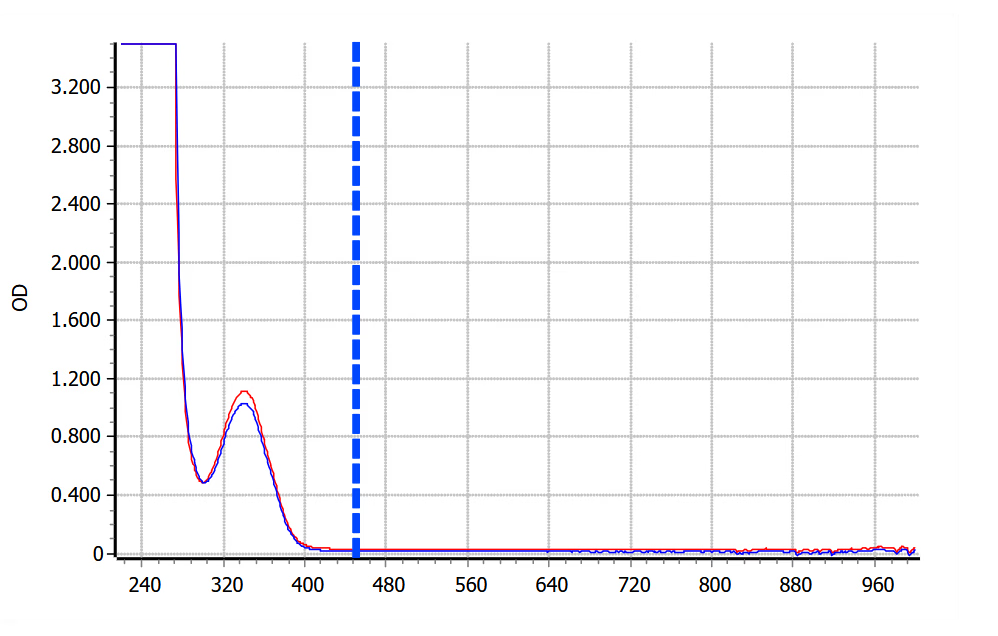
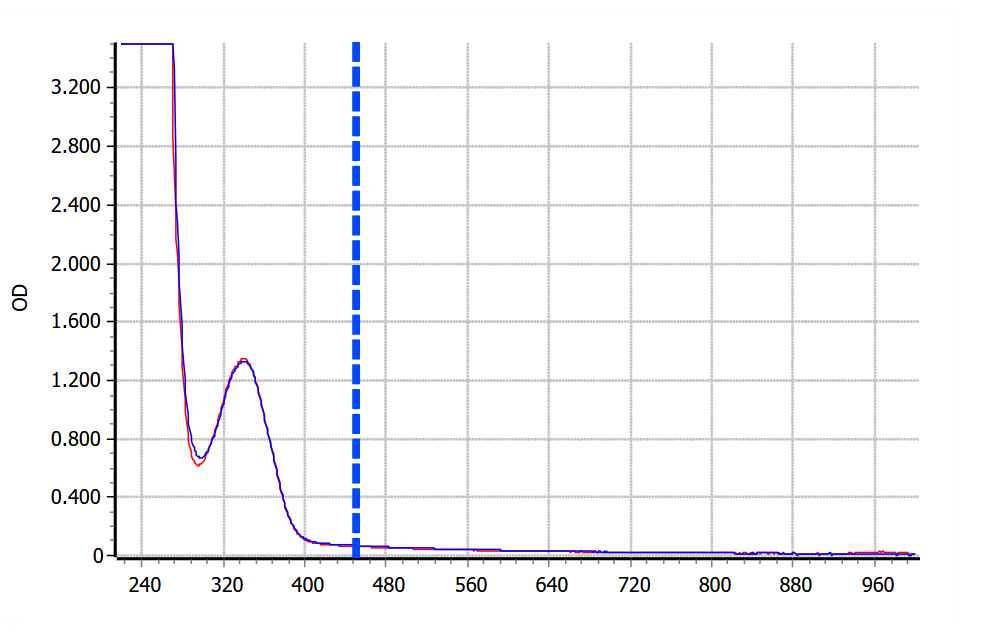
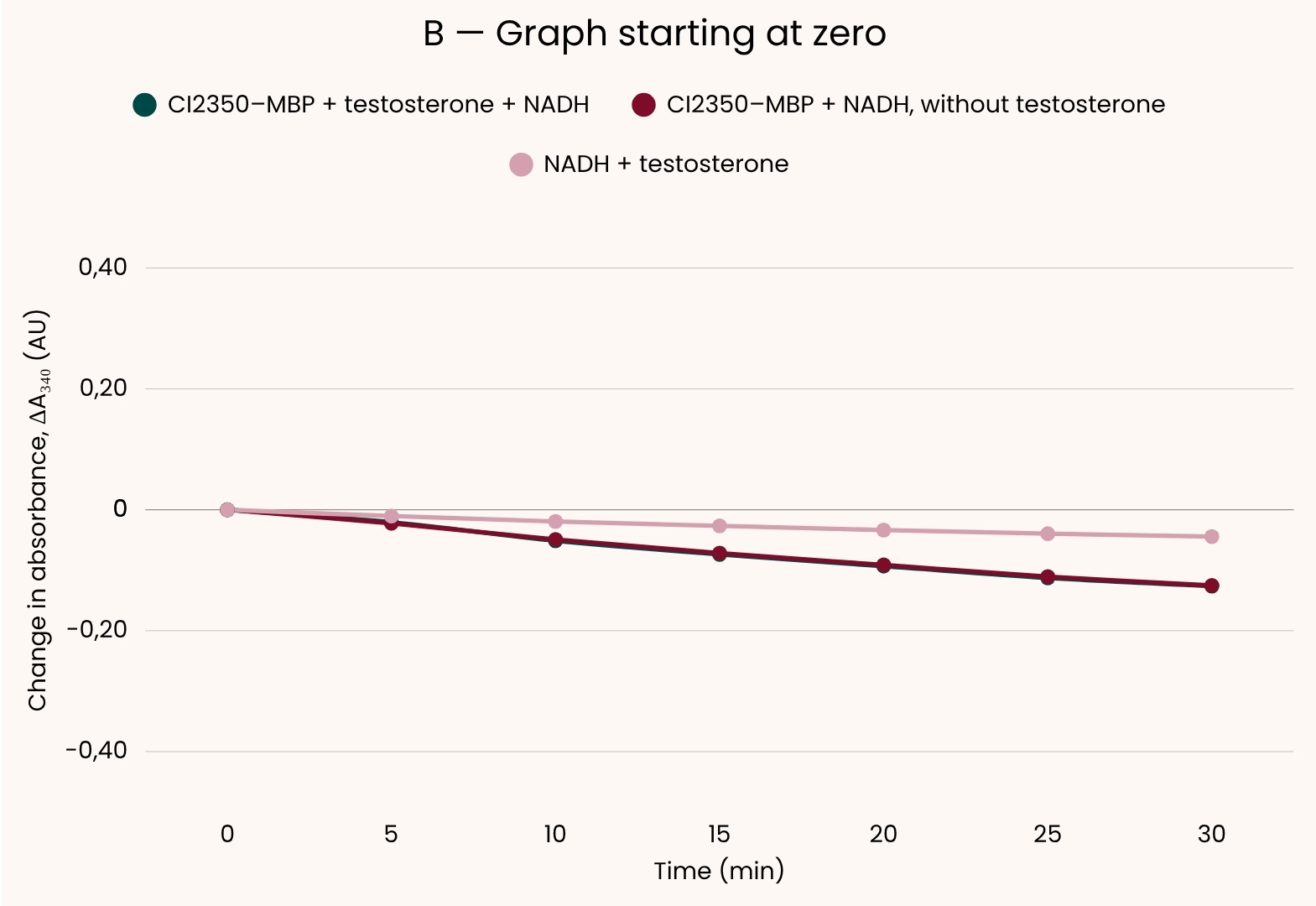
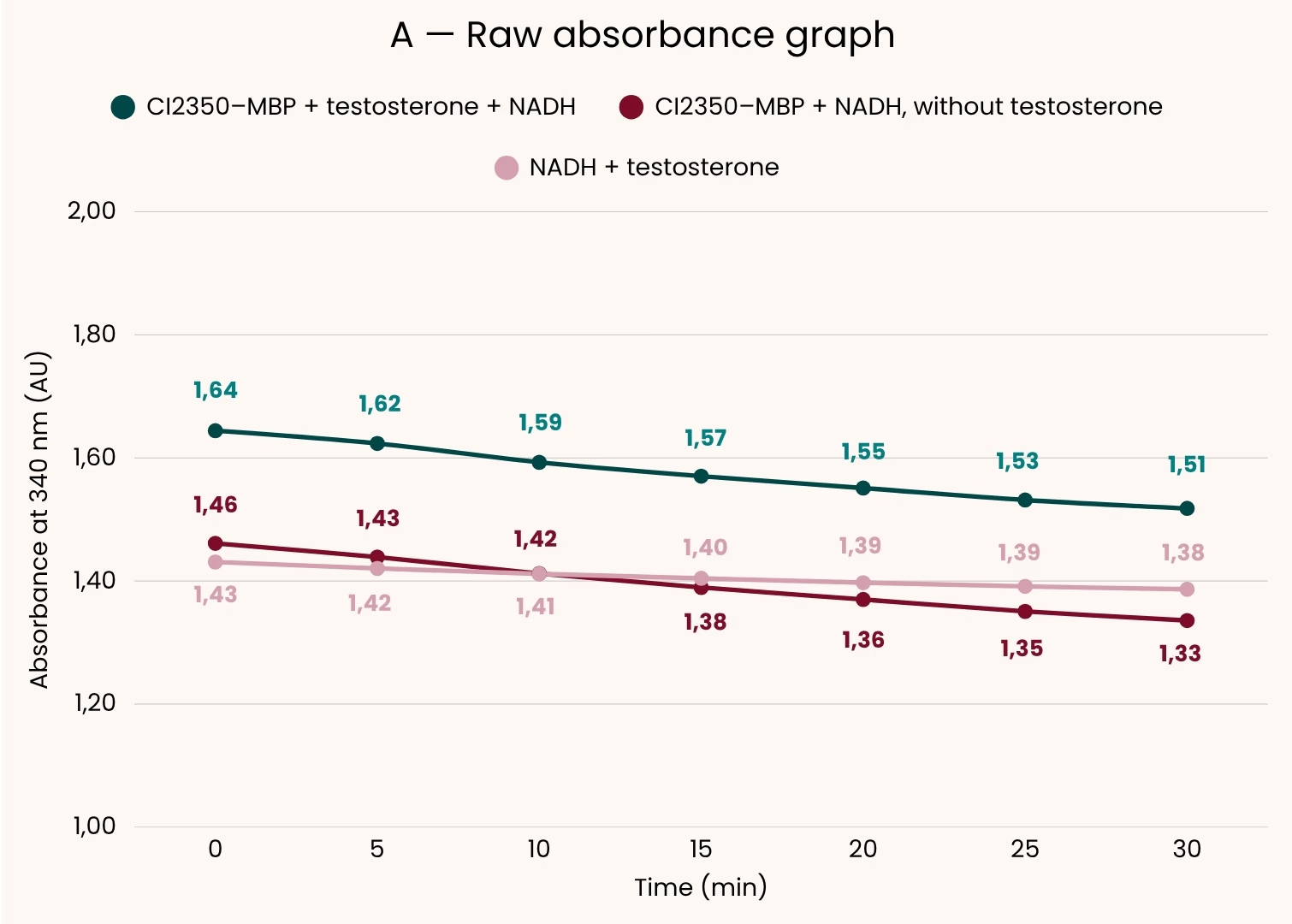
We contacted Savvina because our assay showed a clear absorbance shift in the control with empty pET-11aA common plasmid for producing proteins in E. coli. controls, which suggested that native E. coli proteins in the purified fraction react with NADPH. We also wanted her advice on a nested DBTL structure, on mass spectrometryA technique that identifies and measures molecules by their mass., and on whether to do ELISAEnzyme-linked immunosorbent assay: an antibody-based test that detects and measures a specific molecule. assays.
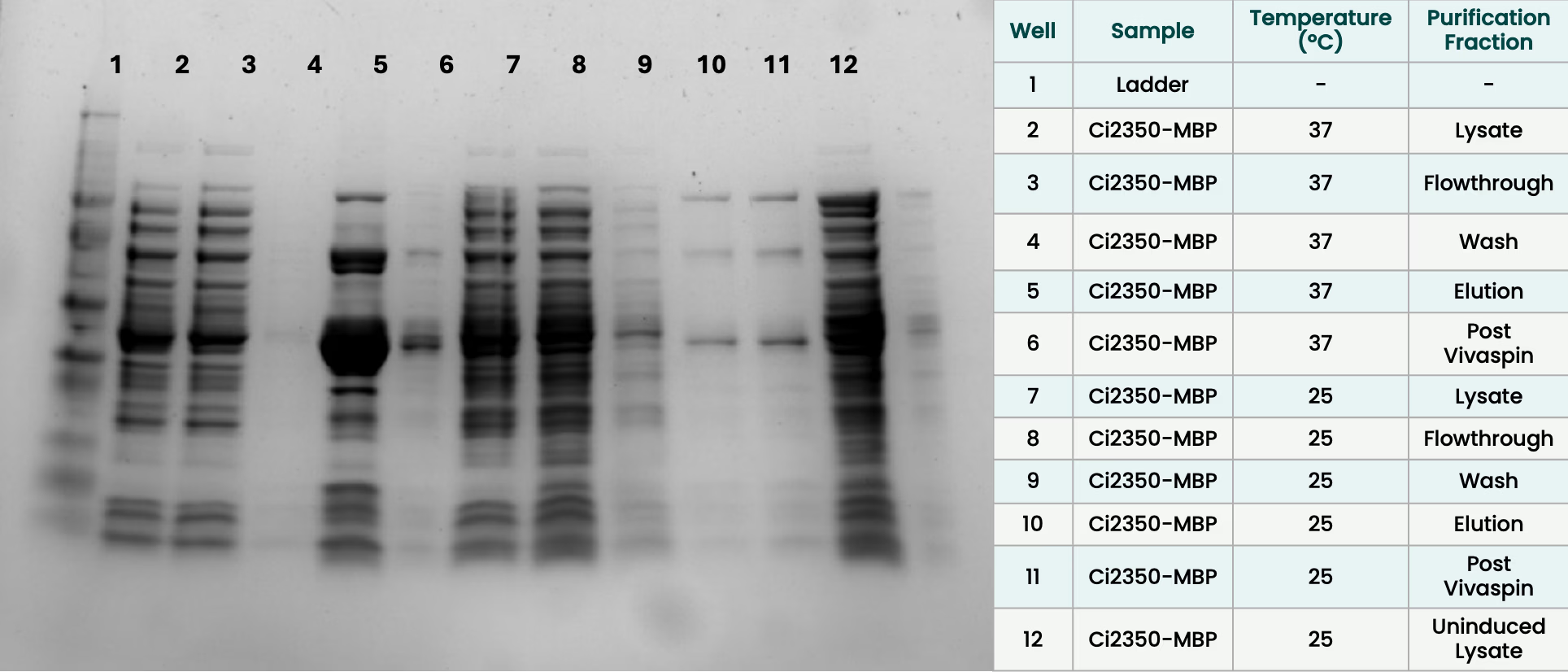
By email, she asked how the control is purified and advised us to run SDS-PAGE on it and compare it with the gel of the purified target, to measure protein concentration, and to subtract the background activity from the measured activity. She suggested size exclusion chromatographySeparating molecules by size as they pass through a column of porous beads. for further purification and mass spectrometry through a colleague at Kemicentrum, and advised us to establish our current assay before pursuing an ELISA assay. For the DBTL cycles, she said that smaller nested cycles are fine as long as a thread connects them.
In a later in-person meeting, she gave more advice: include negative controlsSamples where no result is expected, used to rule out false positives. with and without IPTGA lab chemical that switches on genes controlled by certain promoters. for the construct without the enzyme, run assays soon after purification because stored enzyme loses stability, and check the VivaspinA brand of spin filters that concentrate protein samples by spinning them through a membrane. flow-through to see what we lose.
Integration:
- Negative controls - we added proper negative controls: empty-vector (pET-11a) controls (Results › Figure 41), induced and uninduced, and heat inactivated samples (Results › Figure 40).
- Background subtraction - negative control's activity was supposed and suggested to be used as the baseline, in order to be able to report only the activity above it. Unfortunately our results didn't allow to integrate the suggestion.
- Scope - given the very limited time left, we decided to finish and understand the current assay instead of adding the Testosterone ELISA Kit or the Thermo Fisher Human Androgen Receptor Kit. We also did not run mass spectrometry, because there was no time to organize access across divisions.
- DBTL structure - we used several smaller DBTL cycles and kept a common thread running through them.
- Assay timing - from then on, we ran the assays closer to the purification day, if possible on the same day (in the evenings). Enzyme activity was present but couldn't be attributed to any of the testosterone-reducing enzyme, as shown in figures Results › Figure 43 and Results › Figure 42.
- Purification checks - we kept and analyzed the Notebooks and Protocols › Figure 25 to see how much protein we lose with the 30 kDa cutoff.
Liisa Veerus
Postdoctoral Fellow in the lab of Dr. Martin Blaser Center for Advanced Biotechnology and Medicine, Rutgers University
Liisa Veerus is a Postdoctoral Fellow researching interdependence between the microbiome and health. She was contacted via email for her perspective on the mechanistic direction of the project. She confirmed that the 5β-reduction strategy is a reasonable and experimentally tractable starting point, noting that direct androgen biotransformation provides clear, measurable outputs in vitro, and that a reductionist approach is the right way to begin.
Integration:
- Effector choice - Liisa's feedback that the 5β-reduction strategy is a valid starting point reinforced our choice to use it for our proof-of-concept.
Juan Pablo del Río
Specialist in Child and Adolescent Psychiatry Department of Child and Adolescent Psychiatry and Mental Health, University of Chile
Dr. Juan Pablo del Río researches how prenatal and adolescent hyperandrogenism affects brain development and neuropsychiatric outcomes, including the "dual-hit hypothesisThe idea that an early exposure makes the brain vulnerable and a later second stressor then triggers disease." linking early androgen exposure to later mental health risk. He was contacted to understand how a gut-localized, androgen-lowering therapeutic like ours might intersect with the neuropsychiatric burdens seen in PMOS. His insight gave us a new perspective on whether gut testosterone reduction could plausibly extend to systemic or brain-level effects.
Martin Hedström
Senior lecturer in Bioanalytical Chemistry Division of Biotechnology and Applied Microbiology, Lund University
Martin Hedström is a bioanalytical chemist, with main fields of work in mass spectrometry, immunoanalysis and biosensors. He was contacted for advice on how to approach detecting and quantifying steroids in our experimental work. While we initially opted to use mass spectrometry for steroid detection, Martin suggested looking into the possibility of using an enzymatic assay for leftover testosterone from our testosterone reduction assays, given the cost and complexity of mass spectrometry equipment.
Mahnaz Bahri-Khomami
Adjunct Senior Research Fellow in Women's Health Monash Center for Health Research and Implementation, Monash University
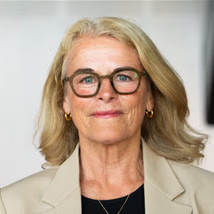
Dr. Mahnaz Bahri-Khomami was a lead researcher on the international PMOS guideline development and name-change consensus process. We contacted her to gain more insight into unmet clinical needs, research gaps, and patient priorities in PMOS. Given the time difference between Sweden and Australia, she agreed to a written interview. She answered our questions within her area of expertise which covers clinical need, patient priorities, safety, and terminology, and connected us with further experts for our biochemical and microbiome-related questions.
Summary of the interview:
We contacted Dr. Bahri-Khomami to get a professional perspective on unmet needs, research gaps, need for a name change and future directions relevant to our project. Due to a wide time difference and previous commitments, she agreed to do a written interview with us. We covered a wide range of topics: whether our gut-targeted mechanism addresses a meaningful clinical need, which patient subgroups benefit the most, the minimum safety evidence required before advancing toward animal or clinical development, reproductive and pregnancy safety and finally correct use of PMOS terminology.
On the mechanism, she wrote that the real question is not whether the intestinal androgen bioactivity can be reduced but whether it can be reduced enough for it to matter, which helped us to start thinking about clinical meaningfulness and cost-effectiveness threshold quite early. She also highlighted that patients with type 2 diabetes will most likely benefit from this and encouraged us to see our platform as a multidirectional strategy rather than a standalone replacement.
On safety, she said human studies are always done after animal studies. She also mentioned that since the therapy targets a population of reproductive age several reproductive safety questions need to be resolved before moving forward: whether it or any of the byproducts cross the placenta, how the product might affect male fetal development and what contraception or washout periodThe time needed for a drug to clear from the body before the next treatment or test. would be required during the use of the probiotic.
On our questions regarding accessibility she mentioned manufacturing costs, clinician education and reimbursementsPayment of a medicine's cost by a health system or insurer. as key barriers making this therapy more inaccessible to those who really need it.
She also wrote that in her years of research she has observed patients' reluctance towards systemic hormonal treatment over the years. She highlighted that this reflected a desire to address the underlying condition without a systemic route, and described the issue as pill burdenThe inconvenience of taking many tablets every day..
For the questions regarding the change in terminology she advised that going forward we use “PMOS the condition formerly known as PCOS” at first mention. She also was very clear that this should be presented as a name change only and not a suggestion towards change in any diagnostic criteria. Finally to address our biochemical and microbiome related questions she connected us with Anju Joham, Negar Naderpoor, and Elisabet Stener-Victorin.
Integration:
- Target subgroup - Exploring patients with PMOS and insulin resistance or type 2 diabetes as a possible target group, since they are likely to benefit most.
- Design priority - Prioritizing whether the therapy replaces existing treatment rather than adding to it, since patients weigh new products against how much they simplify (or complicate) their existing routine.
- Terminology - Using "PMOS instead of PCOS" at first mention throughout project materials.
Nelly Garcia Gonzalez
Associate Senior Lecturer in Materials Engineering Division of Environmental and Energy System Studies, Lund University
Nelly Garcia Gonzalez is an Associate Senior Lecturer in the Division of Environmental and Energy Systems Studies at Lund University. Her work centers on bio-based materials and sustainability and she has extensively worked on making Life Cycle Assessments (LCA)A method for measuring the total environmental impact of a product from raw materials to disposal.. We reached out to her for her expertise in LCA, aiming to decide if performing an LCA for our project was possible.
iGEM Munich 2025
Winning team of Best Wiki award in the iGEM 2025 Competition Anna Tichá, Jonas Turzanski Fortner and Giuseppe Oricchio
The 2025 iGEM Munich team won Best Wiki, among other awards. To make our wiki the best representation of our project, we contacted team members to learn what they thought contributed to the win. In a call, we spoke with Anna Tichá (lead designer of the wiki), Jonas Turzanski Fortner (lead coder of the wiki) and Giuseppe Oricchio (project manager). Following their advice, we set up a system that lets everyone on our team write directly to the wiki, adjusted our design elements to improve accessibility, and added navigation and glossary components to make the wiki easier to move around in. When we asked about fancy graphics and complex animations, their advice was “less is more”, so we focused on usability and readability.
Clinicians
Lina Zabulienė
Endocrinologist with expertise in PMOS Vilnius University
Dr. Lina Zabulienė is an endocrinologist with extensive clinical and research experience in PMOS. We contacted her to discuss the target patients and safety of our gut-based therapy. Her feedback highlighted the need to avoid excessive androgen reduction and strengthened our focus on gut-specific expression, and a kill switch for bacterial containment.
Angelica Lindén Hirschberg
Professor of Obstetrics and Gynecology and Senior Consultant in Gynecological Endocrinology Karolinska Institutet
Angelica Lindén Hirschberg is a Senior Consultant and Professor, whose research focuses on disorders of reproductive function and gonadal development in women. We reached out to receive her clinical perspective on our project and its feasibility. She confirmed that targeting testosterone is a sound first step, and that the gut-localized approach is plausible, given known enterohepatic recirculationSubstances released from the liver into the gut via bile are reabsorbed and carried back to the liver, instead of leaving the body. of androgens.
Katia Palombino
Gynecologist and endocrinologist, with a focus on PMOS Private practice and public hospital work in San Severo, Foggia, Italy
Katia Palombino is a gynecologist based in southern Italy. She treats PMOS with a strong focus on lifestyle and nutrition. We contacted her to understand how PMOS is diagnosed and treated in practice. She was also willing to take part in our survey.
Summary of the interview:
We contacted Katia Palombino to understand how PMOS is seen and treated by clinicians on a daily basis. We asked how common PMOS is and how it is diagnosed and treated. We also asked her about the main concerns and worries expressed by a patient and finally asked her if she would be willing to take part in our survey.
Katia explained that PMOS is common but the term “polycystic ovary” is often overused even among clinicians and specialists. She also said that an ultrasound alone is not enough since ovarian morphology should be judged around 8 years after menarcheA person's first period.. The main criteria are hyperandrogenism, irregular menstrual cycles and polycystic ovaries on ultrasound. She generally avoids giving the contraceptive pill straight away and suggests lifestyle changes with nutrition guidance from a nutritionist and an endocrinologist when needed. She also said that when the cycles become regular due to the contraceptive pill, patients drop the lifestyle changes that matter more. When she does prescribe it, it is most often a pill with an anti-androgenic progestinA synthetic progesterone-like hormone that also blocks the effects of androgens.. She rarely prescribes anti-androgens, such as flutamide, since they require regular check-ups of the liver. She also prescribes inositolA sugar-like compound sold as a supplement and studied for insulin resistance. supplements and metformin in some cases. For most patients, fertility is the main concern. The symptoms usually come back after stopping the pill if the lifestyle has not been corrected.
She said that the microbiome tests are expensive and do not yet give her the results that she can work with. She also mentioned practical barriers, such as the lack of PMOS clinics in her region and the fact that many of her patients cannot afford a nutritionist, a gynecologist, supplements and pills together. For the survey she said that with informed consent and anonymity, the survey should not be a problem.
Integration:
- Clinician survey - Katia agreed to answer our clinician survey. Her answers will be anonymous and will not be tied back to her.
- Awareness Workshop - Her input on how PMOS is diagnosed, access to care and unmet needs of the current treatments was used in our PMOS awareness workshop.
Industry
Lars Mattiasson
Business developer and project manager Future by Lund
Lars Mattiasson is our contact at Future by Lund, introduced via last year's iGEM Lund team. Future by Lund supported us as an infrastructure partner, giving us venue access and promotional support for our PMOS awareness workshop, supporting us on the work towards the SDGUN Sustainable Development Goals: 17 global goals adopted by the UN for 2030. 4 and 5, and publishing an article on their platform about our project progress.


Summary of interview:
We were introduced to Lars via last year's iGEM Lund team to explore local collaboration options. Future by Lund is a collaborative platform that drives innovation and development by connecting industry, the public sector, and academia, making them a platform contact rather than a subject-specific expert.
The first meeting (early March) was a general introduction to Future by Lund's platform and offerings (network, venue access, scientific communication support) held before our project topic was finalized. The follow-up meeting (in April) was targeted towards specifying what we actually needed: help organizing an educational event (venue and advertisement), SDG framing, and expert/industry contacts.
Integration:
- General Support - As a collaboration partner, their contribution was infrastructure, visibility, and framing support rather than direct project feedback.
- Venue - They offered us their venue and promotional support for our PMOS Awareness Workshop, reaching a student audience outside biotech which strengthened our impact toward SDG 4 (quality education) and SDG 5 (gender equality).
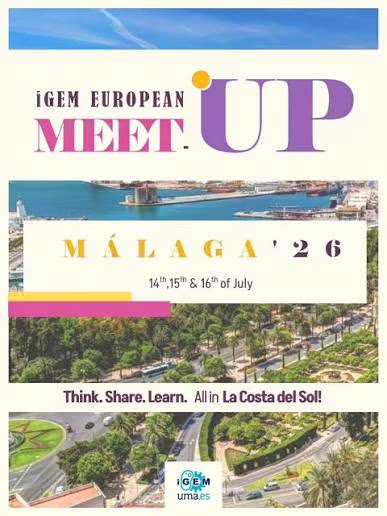
- Science Communication - They also published an article ("Student collaboration with workshop in women's health") on their platform about our project's progress, highlighting the PMOS awareness workshop, as well as our successful attendance at the iGEM European Meet-Up in Málaga, increasing PMOS and iGEM visibility.
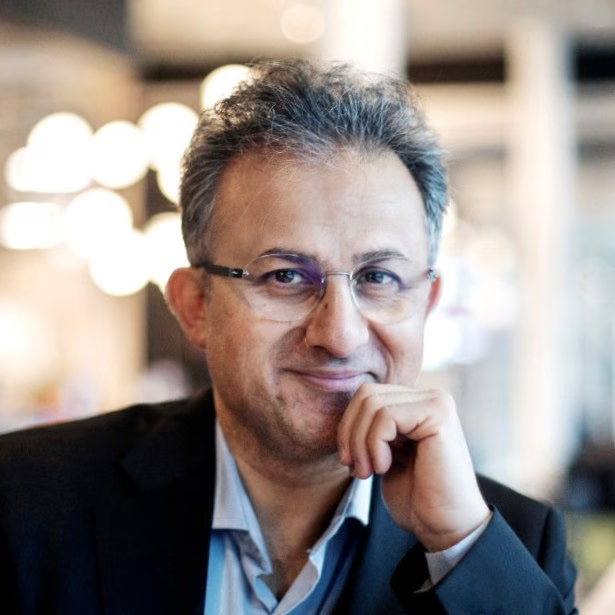
Francesco Bez
Innovation Manager Medicon Village, Lund
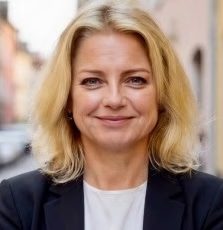
Francesco has been our constant contact for industry connections, forwarding our outreach to contacts at GutFeelingLabs, ImmuneBiotech, Gedea, Vati of Sweden, and AstraZeneca, and introducing us to the Medicon Village ecosystem. Through him, we got in contact with both Magdalena Nour, CEO of Vati of Sweden, and Shahram Lavasani, CEO of ImmuneBiotech. He also gave us insight into what pursuing AnTigone beyond the iGEM Competition could look like, from company formation to lab space and incubatorA program that helps early-stage projects become companies with advice, workspace and funding. access.
Summary of interview:
Medicon Village is Scandinavia's largest life science park, located in Lund and home to over 180 organizations and 2,800 professionals spanning biotech, pharma, and healthcare. We reached out wanting outreach support, industry contacts, possible lab space, and a clearer picture of how a project like ours could move beyond the iGEM competition.
Francesco forwarded our outreach to his contacts at GutFeelingLabs, ImmuneBiotech, Gedea, Vati of Sweden, and AstraZeneca; not all of them responded, but it gave us direct access to companies we otherwise had no route into. He also walked us through how Medicon Village operates more broadly: they primarily work with companies and researchers rather than student teams, but could still connect a team like ours with incubator networks like Smile or LU Innovation, though several of these, such as Smile Incubator access or startup funding, require first forming a company. On our clinician survey specifically, he was upfront that Medicon Village can't compel clinicians to participate, but could facilitate introductions, and noted that having real survey statistics would strengthen our case in future industry conversations.

Integration:
- Industry contacts - Of the companies Francesco forwarded us to, Magdalena Nour (Vati of Sweden) and Shahram Lavasani (ImmuneBiotech) responded and resulted in direct contact.
- Survey strategy - His comments on contacting clinicians confirmed that industry introductions wouldn't meaningfully speed up clinician outreach, reinforcing our decision to contact clinicians directly via email rather than route through intermediaries. Clinician survey results can be found Clinician Survey.
- Future pathway - A first picture of what forming a company around AnTigone would require, and what support is available to do it (LU Innovation, Smile Incubator).
- Lab space - Open Lab Skåne as a flexible, pay-per-hour option, not needed for this project, but worth knowing if the work continues.
Simon Ekström
Head of unit: Structural Proteomics SciLifeLab, Lund University
We met with Simon Ekström and Anton Sellerberg, researchers at SciLifeLab with expertise relevant to protein characterization and structural analysis. We reached out to receive their perspective on how we could characterize and improve our androgen-converting enzyme. They encouraged us to prioritize simple activity assays and protein production, while starting computational modeling in parallel to guide point mutations for improving enzyme performance.
Natalie Kazimierczak
Senior Director Business Development Recipharm Advanced Bio
We spoke with Natalie Kazimierczak and Shubharthi Nandi from Recipharm to introduce AnTigone and scope out whether Recipharm could support us on formulation and eventual scale-upMoving from small laboratory production to large-scale manufacturing.. Natalie walked us through Recipharm's advanced biotherapeutics business: process development, manufacturing, and quality control across their sites and what a potential collaboration path could look like.
Dimitra Manou
Head of Marketing Nordic Women's Health Hub
The Nordic Women's Health Hub is an NGO working to advance women's health across the Nordic region, built around four pillars: innovation, knowledge, activism, and partnerships. Dimitra Manou was our first point of contact there.
Magdalena Nour
CEO of Vati of Sweden Vati of Sweden
Magdalena Nour leads Vati of Sweden, a consultancy that helps organizations integrate the UN SDGs into their strategy and reporting. We contacted her to get insights on our SDG framing and to find practical, low-effort ways to measure and document our sustainability impact. She confirmed our five chosen SDGs were well-suited to our project, and pushed us toward a transparency-first approach, openly naming both the positive and negative impacts of our work rather than aiming for a spotless record.
Summary of interview:
We contacted Vati of Sweden via Medicon Village in order to receive expert feedback on our SDG selection and a practical way to approach sustainability framing, measurement, and documentation. The main topics discussed were whether our five chosen SDGs (3, 4, 5, 12, 17) were well-grounded and if we are missing anything; what frameworks or tools we could realistically start with; how to measure and report our impact; how to avoid "SDG washingExaggerating or misrepresenting how much a project contributes to the SDGs."; and how our institutional context (Lund University) could contribute to our sustainability narrative.
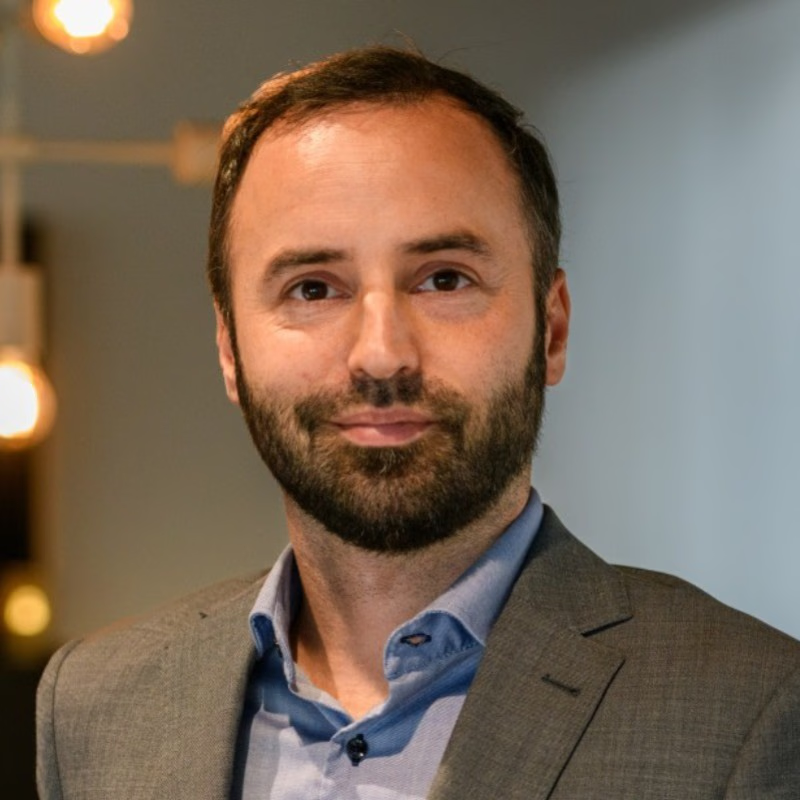
Magdalena confirmed our five SDGs as a solid selection. She recommended starting with a SWOTStrengths, Weaknesses, Opportunities and Threats: a framework for assessing a project's position. and stakeholder analysis as entry points for structuring our SDG work. On impact measurement, she noted that formal reporting standards (e.g. ISO 26000An international standard giving guidance on social responsibility.) are mainly relevant for compliance purposes (e.g. selling to large companies) and aren't necessary for a project at our scale; impact can instead be quantified from a mix of our own collected data and existing, well-researched data/statistics. On avoiding SDG washing, she pointed out that the goal isn't to have zero negative impact, but to be transparent and conscious about the negative impacts we do have, explaining why they're necessary rather than omitting them. She summarized her overall philosophy as storytelling: transparency and visibly conscious decision-making matter more than a spotless record. She also pointed out that Lund University's position as a top-ranked university in sustainability is an asset we should actively use to frame our project's story.
Integration:
- SDG selection - She confirmed our five SDGs (3, 4, 5, 12, 17) fit well, so we kept them unchanged.
- Reporting standards - Since formal standards (e.g. ISO 26000) mainly matter for compliance use cases, we skipped them; not worth the cost/effort at our scale.
- Impact measurement - We based our impact assessment on our own data plus existing public statistics, rather than a formal framework.
- Avoiding SDG washing - We actively built potential negative impacts (current proof-of-concept project and future product) into our SDG analysis, framed around transparency rather than a purely positive picture.
- Lund University branding - We used the fact that Lund University ranked best in the world in sustainability in 2025 to frame and anchor our project's story.
Shahram Lavasani
Ph.D. in Immunology CEO of ImmuneBiotech
Dr. Shahram Lavasani was introduced to us by our contact at Medicon, Francesco Bez, who recognized that our project aligned with his company's research area. Dr. Lavasani's company, ImmuneBiotech, works with precision probiotics to manage various gastrointestinal and neurological conditions (e.g., SIBOSmall intestinal bacterial overgrowth: too many bacteria in the small intestine, which normally holds few., chronic fatigue syndrome, etc.). Dr. Lavasani advised against integrating our construct into a Lactobacillus chassis, recommending instead that we polish our results in E. coli due to time limitations and the difficulty of working with Gram-positiveBacteria with a thick cell wall that stains purple in the Gram test. They are harder to engineer than Gram-negative bacteria such as E. coli. bacteria. He also pointed us to several delayed-release capsule options for probiotic delivery that we could explore in the future.
Nicolas Arriagada
Innovation Developer LU Innovation, Lund
Nicolas is an innovation developer at LU Innovation, Lund and was our contact person throughout the project. LU Innovation guides students and researchers through the early phases of exploring and verifying an idea. We contacted them to understand what AnTigone could become beyond iGEM and what support exists for taking it further. Based on a first market analysis report, they accepted us into their incubator, where they became our main contact for the entrepreneurial side of the project and remain our most likely route if we continue after the iGEM competition.
Summary of interview:
LU Innovation is Lund University's innovation support organization, which develops ideas and research findings into innovations that solve urgent problems and create value. It guides students and researchers through the early phases of exploring and verifying an idea.
Some of the team wanted to explore whether AnTigone could become a start-up or spin-offA new company created to commercialize a university's research., and needed to know what commercialization would involve and who could support it. We discussed what LU Innovation offers and how the collaboration works, typical project timelines in the incubator, and which funding options we could qualify for. They offer legal support as well. They also introduced us to their programs, for example INSIGHTS, four seminars on exploring an idea's innovative potential, which team members can join to learn the basics of entrepreneurship. One of us has signed up.
To enter the incubator, we first had to produce a market analysis report, which gave us an early picture of the market, competitors, customers, and regulations. It concluded that there is a substantial unmet clinical need and no direct microbial competitor, that our near-term focus should be academic, biotech, and pharma partnerships, and that GMO and EMAThe European Medicines Agency, which evaluates and approves medicines in the EU. regulation are the main hurdles. All further support, including funding, depends on market validation: demonstrated need, customer interest, and contact with companies. A start-up is realistic even with a small core group, as long as at least one or two members commit long term. Whether we continue beyond iGEM will be decided once the competition project is finished.
Integration:
- Market analysis - The incubator entry report gave us our first structured view of market, competitors, customers, and regulation.
- Market validation - Their requirement for market evidence confirmed our focus on stakeholder input, which we pursued through expert interviews, the clinician survey, and the economic assessment.
- Entrepreneurship training - Team members were introduced to the program INSIGHTS to learn the basics of turning an idea into a venture.
- Future route - The incubator place and free legal advice remain available if we decide to continue after iGEM.
PMOS Surveys
To assess our approach, we developed two surveys and refined them with expert feedback on their legal and clinical aspects.
The clinician survey asked 36 clinicians about current PMOS treatment, their frustrations, and their view of a hypothetical gut-targeted probiotic; 13 responded. The patient survey covered symptoms, treatment experience and openness to a non-hormonal alternative. We did not publish it, because we lacked time to secure the ethical review required for processing health-related personal data.
Clinician Survey
Clinician perspectives on PMOS treatments.
We asked 36 clinicians about current PMOS treatment, their frustrations, and their view of a hypothetical gut-targeted probiotic. 13 responded (36%). Most saw the idea as interesting but wanted more data. Their main concerns were long-term safety, colonization and missing trial data.
Summary:
We wanted to know from people who treat PMOS where current options fall short, and whether a non-hormonal, gut-targeted approach would be clinically useful and not only scientifically interesting.
The survey covered:
- Role, patient volume and years of experience.
- Current treatments, treatment goals, subtypes and frustrations.
- Reaction to a hypothetical daily oral tablet with a genetically engineered bacterium that expresses a 5β-reductase only under gut-like, high-androgen conditions. We asked about initial reaction, place among current treatments, concerns, patient openness, likelihood to prescribe and cost.
We sent the survey by email to clinicians who treat or have treated PMOS. It was sent to at least 5 clinicians at the same time, so a response cannot be traced back to a recipient by its timing. It was available in English, Italian and Spanish (English version below). 13 clinicians completed it. Our note on data policy is at the end.
Results:
Of the 13 respondents, 11 were gynecologists and 9 had treated PMOS for more than 10 years. Regarding current practice, all 13 prescribe the combined oral contraceptive pill, 12 metformin and 10 lifestyle modification (Figure 10). The most common frustration was few options for patients who cannot or will not use hormonal therapy (9 of 13), followed by patient dissatisfaction (8). Six named side effects and six named that the root cause is not addressed (Figure 11).
Regarding the hypothetical probiotic, 11 of 13 found it “interesting but uncertain, need data”. Two were skeptical and none called it promising (Figure 12). Eight would use it alongside hormonal treatment, three as a last resort and one as a first-line alternative (Figure 13). If safety and efficacy were shown, 9 of 13 would be likely to prescribe it (4 or 5 out of 5) (Figure 14).
Regarding concerns and cost, the main concerns were long-term safety (10 of 13), colonization or persistence (9) and missing trial data (9) (Figure 15). If the product were significantly more expensive and not reimbursed, 6 would recommend it only to patients who can afford it and 4 called cost a major barrier (Figure 16).
In the open questions, respondents asked for clinical evidence: “results from large multicenter RCTsRandomized controlled trials: studies where patients are randomly assigned to treatment or comparison groups.” and “evidence of lowering testosterone levels, both biochemical and clinical.”
Limitations and outlook:
Only 13 of 36 clinicians responded, 11 of them gynecologists, so the results do not cover other specialties, and the 23 who did not respond may think differently. Respondents judged a product that we described ourselves, so their answers reflect our description and not a real product. With so few answers we report counts only and run no statistical tests.
With more time, we would send the survey earlier and to more clinicians, including more endocrinologists and general practitioners, so that we could compare specialties and test differences statistically.
Note on data policy:
We collect no patient data. Consent is built into the survey, following our interview with (Ana Nordberg), and input from the university's Research Ethics Advisor and Personal Data Protection Coordinator. Responses are anonymous. Quoting an open answer needed a separate optional consent, and we quote only respondents who gave it. The privacy notice can be found here: Privacy notice (English).
One clinician suggested adding a country-of-practice question. We removed ours on advice, because country, job and patient volume together could identify a clinic.
Patient Survey (not run)
Patient perspectives on living with PMOS. Survey was not published.
Alongside the clinician survey, we designed a second survey to hear about patients' experience directly: symptom severity and its impact on daily life, treatment experience and satisfaction, gut health symptoms, and openness to a non-hormonal, probiotic-based alternative. It was not published because we lacked time to secure the ethical review required for health-related data from this population.
Summary:
Clinicians can tell us whether our approach is clinically plausible. Only patients can tell us whether it matters to them day to day.
The survey would have covered:
- Diagnosis journey, including PMOS phenotype and time to diagnosis.
- Symptom severity and its effect on self-esteem, social life, work or study and mental health.
- Treatments tried, satisfaction and side effects.
- Gut symptoms and prior probiotic use.
- Openness to a hypothetical non-hormonal probiotic, including cost and concerns.
The survey was fully written, translated (English, Italian, Spanish, Chinese, and German), and built in SUNET Survey, but no ethical review was ever submitted, and we are not taking it further within this project cycle. See the English version below.
Outlook:
If the project continues, an ethically approved patient survey would be needed to confirm whether patients want this treatment direction.
Note on data policy:
This survey would collect self-reported health data, so it needs explicit consent for personal and health data (GDPR Article 6(1)(a) and 9(2)(a)). Consent is built into the survey, and responses are anonymous. The design follows the guidance from our interview with (Ana Nordberg) and input from the university's Research Ethics Advisor and Personal Data Protection Coordinator. That input also made clear that this survey needs ethical review before distribution, unlike the clinician survey. The privacy notice can be found here: Privacy notice (English).
References
- Penning, T. M. (2023). Steroid 5β-reductase (AKR1D1): Purification and characterization. Methods in Enzymology, 689, 277–301. https://doi.org/10.1016/bs.mie.2023.04.012
- World Health Organization. (2026, January 22). Polycystic ovary syndrome [Fact sheet]. https://www.who.int/news-room/fact-sheets/detail/polycystic-ovary-syndrome